


Send My Customization Request
Light
Dark
System
Cost vs Value: Electronic Dart Machines for Small Businesses
I analyze cost vs value for dart machine electronic solutions for small businesses, comparing purchase, maintenance, revenue models, and ROI. I explain venue fit, selection criteria, certifications, and how Neofuns supports FECs and bars with OEM/ODM, CE/TUV-certified machines and one-stop service.
- Understanding demand, venue fit and standards
- Who plays electronic darts and why it matters
- Space, layout and customer flow
- Regulations, safety and certifications
- Upfront cost versus long-term value
- Typical cost buckets
- Comparative cost table (market-observed ranges)
- Sample ROI framework (reproducible)
- Choosing the right dart machine electronic system
- Game modes, software and modern features
- Payment systems and telemetry
- Durability, spare parts and service (importance of OEM/ODM)
- Implementation and monetization strategies
- Placement, promotions and programming
- Pricing strategies: per-play, time-based, or subscriptions
- Running tournaments and leagues
- Why supplier choice matters — Neofuns case and how I evaluate partners
- Neofuns: capabilities and certifications
- OEM/ODM, R&D and after-sales support
- How this reduces total cost of ownership
- Conclusion: balancing cost and strategic value
- FAQ
- 1. How much does a commercial electronic dart machine typically cost?
- 2. What is the expected lifespan of a commercial electronic dart machine?
- 3. Can I integrate cashless payment or loyalty programs?
- 4. Are electronic dart machines safe for public venues?
- 5. How do I estimate ROI for my venue?
- 6. Does Neofuns offer customization and venue design?
As a consultant and content creator with hands-on experience in dart machine electronic systems and arcade operations, I often see small business owners ask a single practical question: is the upfront cost of an electronic dart machine justified by the value it brings to my venue? In this article I break that question into measurable parts—purchase price, installation, operating expenses, durability, revenue potential, and soft value (customer retention and brand lift)—so you can decide which machine fits your goals and budget.
Understanding demand, venue fit and standards
Who plays electronic darts and why it matters
Electronic darts appeals to a wide demographic: casual bar patrons, families in FECs (family entertainment centers), league players who prefer automated scoring, and tourists seeking quick entertainment. According to general sports-and-leisure trends, venues with mixed entertainment offerings (e.g., pool, jukebox, redemption games) benefit from cross-traffic where a single product increases dwell time and ancillary spend. For background on the sport and typical players, see the Darts overview on Wikipedia.
Space, layout and customer flow
Fit is practical: electronic dart machines require a cleared throw lane (typically 2.5–3.0 meters of length for soft-tip systems, plus standing area), reliable lighting, and easy access for maintenance. A poorly sited unit reduces play and ROI. I recommend laying out machines near other interactive attractions to create a gaming cluster that’s visible to customers walking into the venue.
Regulations, safety and certifications
For commercial installations, compliance matters. Look for products with CE marking, RoHS, and UL or equivalent safety listings. Manufacturers commonly obtain third-party certifications—Bureau Veritas (BV) and TÜV Rheinland (TUV) are examples of testing bodies used in the amusement equipment industry. For how CE marking works, see the European Commission’s CE guide: CE marking. RoHS compliance details are at the EU environment portal: RoHS.
Upfront cost versus long-term value
Typical cost buckets
Costs break down into three practical categories:
- Purchase price (machine hardware and optional cabinet upgrade)
- Installation and payment systems (coin mech, cashless, app integration)
- Operating expenses (parts, service, electricity, floor space)
Pricing varies widely depending on build quality and intended use (home vs coin-op). Observed market ranges are summarized below together with sources for typical consumer and commercial products.
Comparative cost table (market-observed ranges)
| Type | Typical Purchase Price (USD) | Lifespan (years) | Typical Monthly Revenue (est.) | Primary Use |
|---|---|---|---|---|
| Consumer electronic dartboard (soft-tip) | $100 – $400 (example listings) | 3–5 | Not typical (home use) | Home, casual use |
| Entry-level coin-op arcade dart machine | $1,500 – $4,000 (arcade supplier ranges) | 5–8 | $200 – $800 | Bars, small FECs |
| High Quality commercial electronic dart machine | $4,000 – $12,000+ | 8–12 | $500 – $2,500+ | Busy FECs, arcades, tournament play |
Sources: marketplace product listings (consumer), arcade supplier catalogs, and industry observation. For perspective on the broader amusement industry and how individual machines fit into venue revenue, see IAAPA: IAAPA.
Sample ROI framework (reproducible)
To evaluate ROI I use this simple formula: Payback period = (Purchase Price + Installation) / Monthly Net Contribution. Monthly net contribution = (Average monthly gross revenue per unit) - (Monthly operating costs including maintenance, parts, and an allocation of floor-space opportunity cost).
Example (conservative): High Quality coin-op machine: Purchase $6,000 + install $300 = $6,300. Monthly gross revenue $800. Monthly ops $200. Net $600. Payback ~10.5 months. You can replicate this using your venue’s actual traffic and pricing.
Choosing the right dart machine electronic system
Game modes, software and modern features
Modern electronic dart machines offer tournament modes, practice modes, team play, touchscreens, and online connectivity. Software matters: a machine with cloud leaderboards, player profiles, or app tie-ins typically drives engagement and repeat visits. For league and tournament integration, trained operators often use systems like DartConnect (DartConnect), which ties local play to wider ecosystems.
Payment systems and telemetry
Payment options influence revenue. Coin-only machines are simple but limit tracking; cashless (card/app) systems raise average spend and allow promotions/loyalty. Telemetry (usage statistics sent to a dashboard) lets you optimize placement and pricing. When choosing, ask whether the manufacturer supports modern cashless gateways and data APIs.
Durability, spare parts and service (importance of OEM/ODM)
Durability is the primary cost driver once purchase price is decided. Look for proven cabinet construction, accessible spare parts, and a manufacturer who offers OEM/ODM service and quick after-sales support. Third-party repair can be more expensive and slower. Manufacturers with on-site R&D and factory certifications typically provide faster parts supply and longer product support.
Implementation and monetization strategies
Placement, promotions and programming
Placement near drink stations, high-traffic corridors, or adjacent to food seating increases visibility. Promotions such as happy-hour credits, tournament nights, or “buy-one-get-one” plays for special events can ramp up traction. I recommend a three-month promotional plan to gather baseline metrics before adjusting pricing.
Pricing strategies: per-play, time-based, or subscriptions
Pricing affects throughput: per-play ($1–$2) is straightforward. Time-based (e.g., 15 minutes) is effective for party rooms. Subscriptions or membership packages (e.g., monthly league access) create recurring revenue. Below is an illustrative pricing scenario comparing per-play vs subscription for the same machine:
| Model | Assumed Plays per Day | Price per Play | Monthly Revenue (30 days) |
|---|---|---|---|
| Per-play | 25 | $1.00 | $750 |
| Subscription (league x 20 players) | League nights & casual | $20/month/player | $400+ |
Each venue will find a different sweet spot; the key is to track usage and adjust.
Running tournaments and leagues
Leagues and tournaments increase recurring traffic and ancillary sales (food, drinks, merchandise). To run them effectively, integrate your machine with a scoring network or tournament software and advertise consistently. The World Darts Federation and local associations can be leveraged to attract serious players and validate your venue as a place for competitive play.
Why supplier choice matters — Neofuns case and how I evaluate partners
Neofuns: capabilities and certifications
When I advise operators, I prioritize suppliers with proven manufacturing capability, certification history, and full-service offerings. Neofuns Amusement Equipment Co., Ltd. is an example of an integrated manufacturer that aligns with those priorities. Based in Guangdong, Neofuns specializes in game center operations, prize vending machines, FEC and leisure game equipment, including claw machines, redemption game series, boxing machines, basketball games, and importantly, dart machines and electronic dart machines. Their factory has worked with international testing bodies such as France's BV and Germany's TUV, and most products carry CE, C-Tick, RoHS and UL certification listings. You can review Neofuns products and company information at neofunsdarts.com.
OEM/ODM, R&D and after-sales support
A supplier that offers OEM and ODM development and has an in-house R&D team simplifies customization: custom branding, game lists, cabinet finishes, and payment system integration. Neofuns advertises one-stop services including product purchase, full amusement center design, OEM/ODM development, and after-sale support—attributes I consider mission-critical for operators who want a long-term partner rather than a single purchase.
How this reduces total cost of ownership
Partnering with a manufacturer that provides spare parts, warranties, and on-site support reduces downtime, which directly affects revenue. Certifications and factory testing lower compliance risk, and a supplier experienced in large exhibitions (Neofuns has attended many industry events since 2012) demonstrates market presence and feedback loops that inform product improvements.
Conclusion: balancing cost and strategic value
Deciding whether to buy a dart machine electronic system for a small business is not purely numeric—it's strategic. Lower-cost machines can be suitable for low-traffic venues or promotional use; High Quality coin-op units pay back quickly in the right traffic conditions and provide higher durability and better guest experience. Always model a simple payback analysis using your local prices, expected plays, and operating costs. Prioritize suppliers who provide certifications, spare parts, and support—these reduce hidden costs over the machine's lifespan.
FAQ
1. How much does a commercial electronic dart machine typically cost?
Commercial prices generally range from about $1,500 for entry-level coin-op machines to $12,000+ for High Quality tournament-grade units. Prices vary by features, software, and build quality. (See market listings and supplier pages such as Neofuns and general retail marketplaces.)
2. What is the expected lifespan of a commercial electronic dart machine?
With proper maintenance, commercial machines typically last 5–12 years. High Quality cabinets with thicker materials and better electronics trend toward the higher end. Warranty terms and access to spare parts are major factors in actual lifespan.
3. Can I integrate cashless payment or loyalty programs?
Yes. Many modern machines support cashless readers, NFC, and app-based payments. Ask the manufacturer whether the system supports APIs or third-party integrations for loyalty and analytics.
4. Are electronic dart machines safe for public venues?
When properly installed and certified (CE, UL, RoHS), electronic dart machines meet standard safety requirements. Follow local building and safety codes for spacing and lighting. Verify certifications with the manufacturer and testing bodies like BV or TUV.
5. How do I estimate ROI for my venue?
Estimate monthly gross revenue per machine (plays x price), subtract monthly operating costs (maintenance, parts, electricity, and space opportunity cost), and divide the total initial investment (purchase + installation) by the monthly net contribution. Use conservative traffic estimates to avoid overstating ROI.
6. Does Neofuns offer customization and venue design?
Yes. Neofuns provides OEM/ODM development, whole amusement center design, and end-to-end support including after-sales service. Their experience in exhibitions and international certifications supports their role as a full-service supplier. Visit Neofuns or contact sales@neofuns.com for product details.
If you want help evaluating machines for your exact venue—using your projected traffic, floor plan, and revenue goals—I offer paid consulting and can run a site-specific payback analysis. For product inquiries and to view Neofuns' dart machine and electronic dart machine lineup, visit https://www.neofunsdarts.com/ or email their sales team at sales@neofuns.com. I can also introduce you to manufacturers and help specify OEM/ODM options and integration with league/tournament software.
Tags
modern design fun darts machine
modern design fun darts machine
Electronic dart game for bar and pub
Electronic dart game for bar and pub
automatic scoring dart machine
automatic scoring dart machine
interactive dartboard game machine
interactive dartboard game machine
Coin operated electronic dartboard
Coin operated electronic dartboard
LED scoring electronic dartboard arcade
LED scoring electronic dartboard arcade
Recommended for you
Commercial Dart Board Machine Installation and Space Planning
The arcade dart machine Cost Guide | Neofuns Ultimate Insights
Digital vs electronic dart machines: key differences
Electronic Dart Machine Replacement Parts and Repairs
Prdoucts Categories
Question you may concern
Purchase & Installation
What are the size and space requirements?
Standard size W70cm×D60cm×H220cm (standalone). Minimum 2m safety zone.Free 3D space planning service available.
Value Added Services
Can I do online updates and online battles?
Support online program updates and multiplayer real-time battles.
Darts Machine
Where can this machine be installed?
Perfect for arcades, bars, family entertainment centers (FECs), hotels, and even large home game rooms. The compact design fits most spaces while meeting commercial safety standards.
Whether to support samples?
Yes, minimum order 1 unit,customer pays sample fee and shipping fee.
How do I clean and maintain the machine?
Wipe the screen and body with a soft, dry cloth. Replace dart tips every 1000 uses for optimal safety. Avoid liquids near the sensors.
You may also like

Neofuns Coin Operated Arcade Game Fun Darts Machine Max – Electronic Dartboard with 32-inch HD Touch Screen for Family Entertainment Center
This smart dartboard perfectly combines classic sports with cutting-edge technology. Based on Fun Darts 5, it is designed with a high-definition touch screen and split installation, which is simple and fashionable. The professional self-repairing sisal target surface is replaceable and durable, making it easy to use for both training and entertainment.
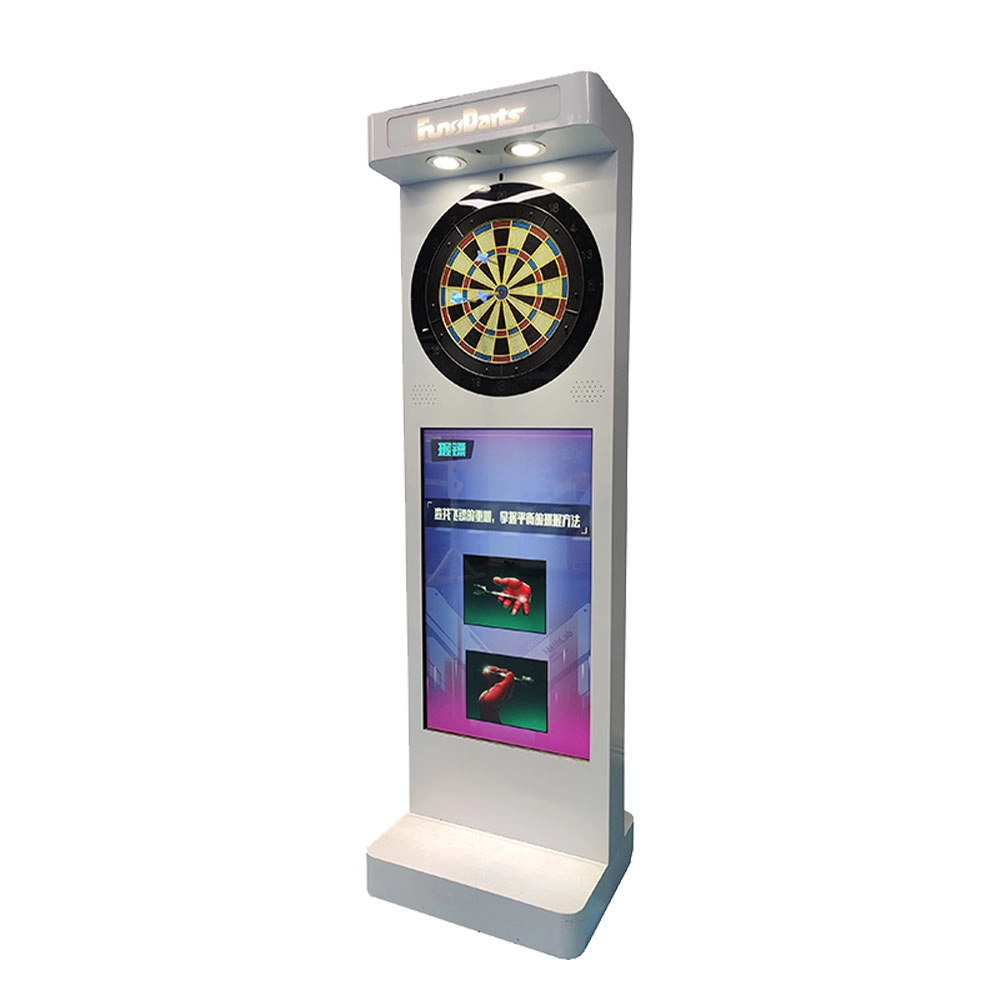
Neofuns Electronic Arcade Darts Machine S – Coin Operated Fun Dart Game with Soft Tip & Metal Tip Options, Stand-Up Electronic Dartboard for Arcade
Create private leagues for corporate unions, clubs, or friends with customizable rules (e.g., round-robin, knockout), syncing team rankings and individual contributions to boost collaboration. Branded interfaces and dartboards for company-themed tournaments.
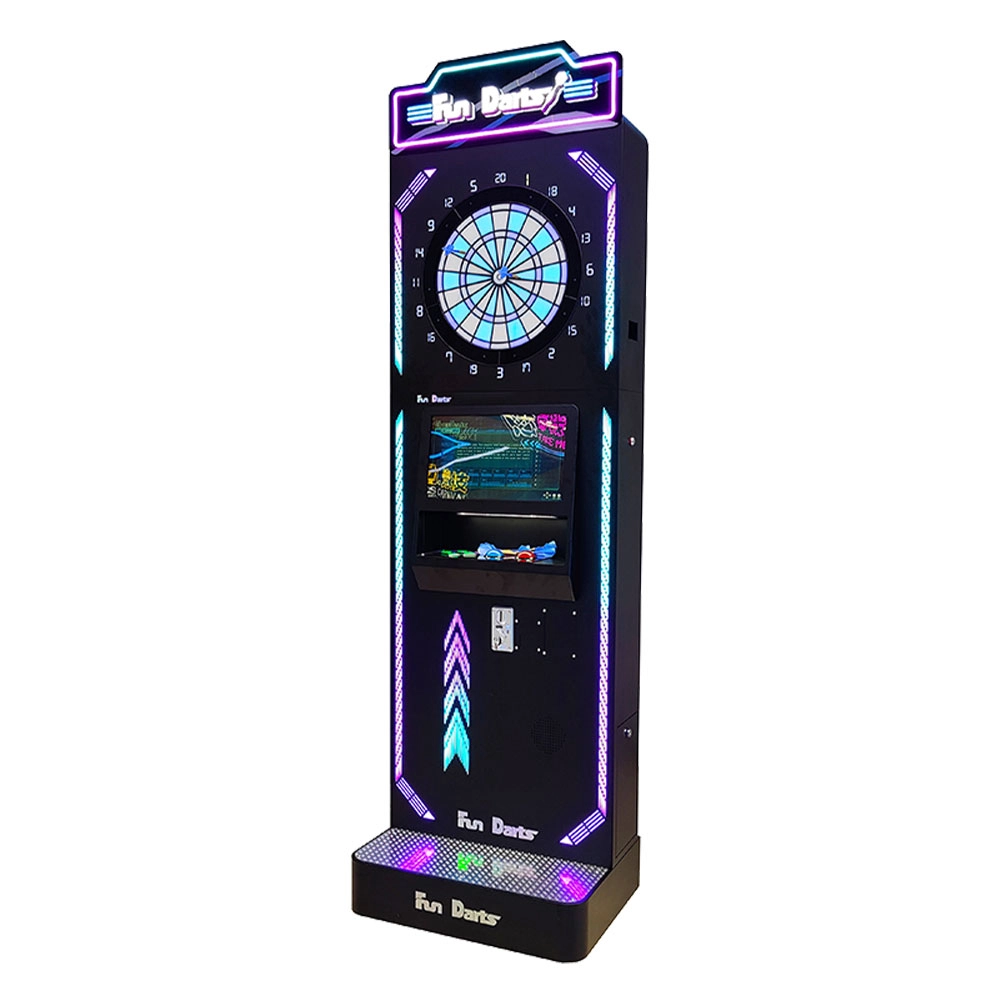
Neofuns Coin Operated Arcade Game Fun Darts Machine V –Cool Streamlined Appearance and Lighting Stand-Up Dart Machine for Arcade & Entertainment Venue
This smart dartboard seamlessly blends classic sport with cutting-edge tech,enjoy 30+ game modes and real-time multiplayer battles with dynamic animations. Professional self-healing sisal board with replaceable surfaces ensures durability for both training and entertainment.
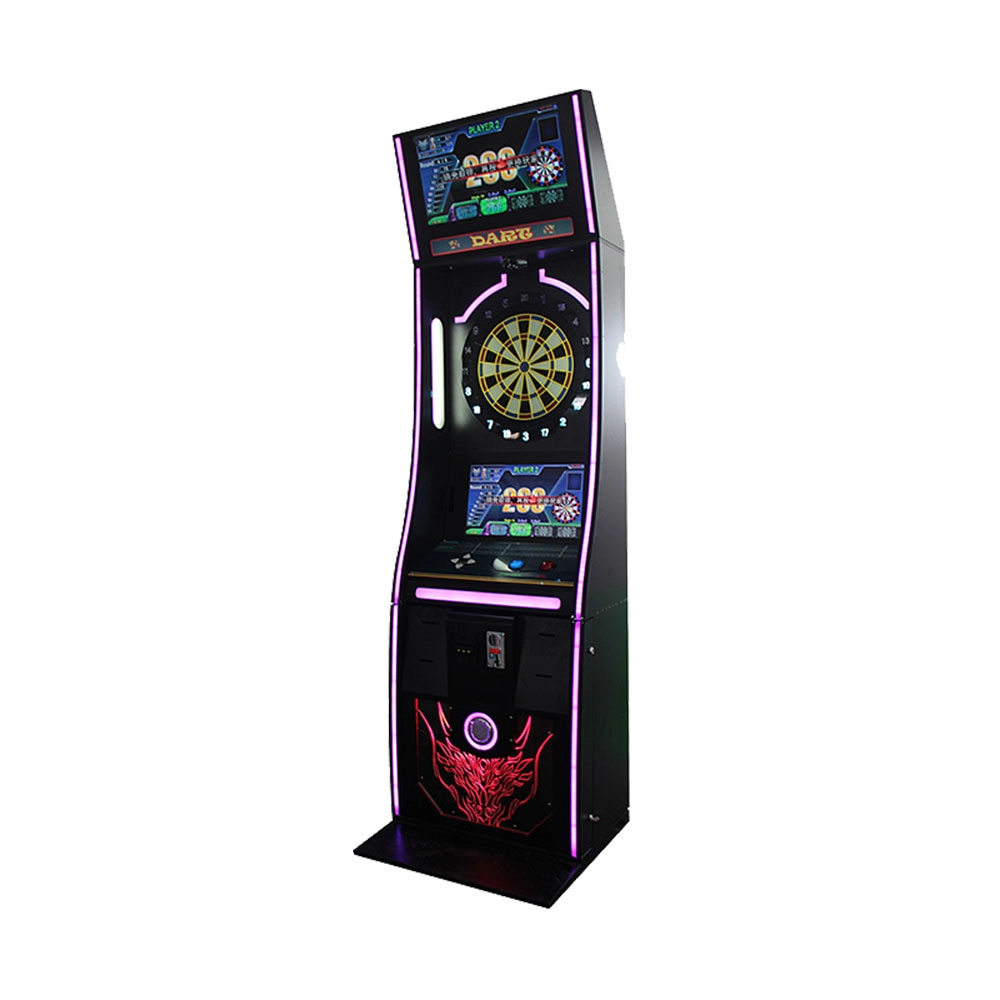
Neofuns Coin Operated Arcade Game Fun Darts Machine I – 32-inch Display on the Top Featuring Coin-operated And Arcade-style Designs
Equipped with high-precision infrared sensors, it tracks dart trajectories in real time and auto-scores, eliminating manual errors for fair competition. 30+ built-in game modes (e.g., "301 Battle, Fun Training") cater to all skill levels, supporting solo play, local multiplayer, and global online matches. Monetize via pay-per-play, sponsored tournaments, or brand partnerships (commercial); a one-time investment unlocks lifelong family entertainment.
Get in touch with us
If you have any comments or good suggestions, please leave us a message, later our professional staff will contact you as soon as possible.
Leading Electronic Dart Machine Manufacturer
NEOFUNS
NEOFUNS
NEOFUNS